Early Air Operations -- City Area Raids
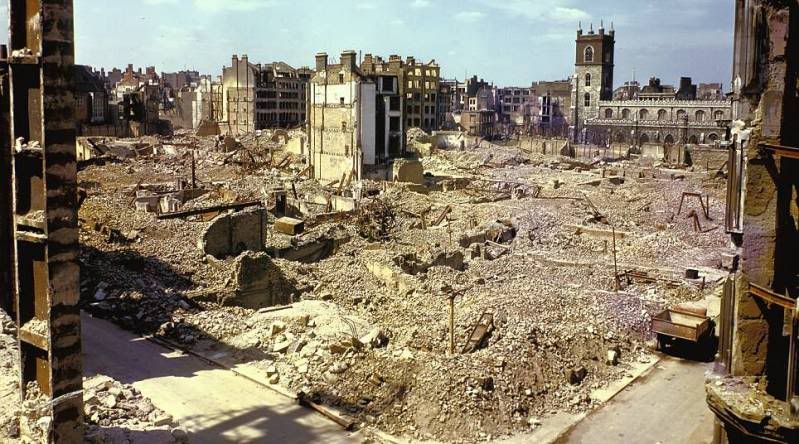
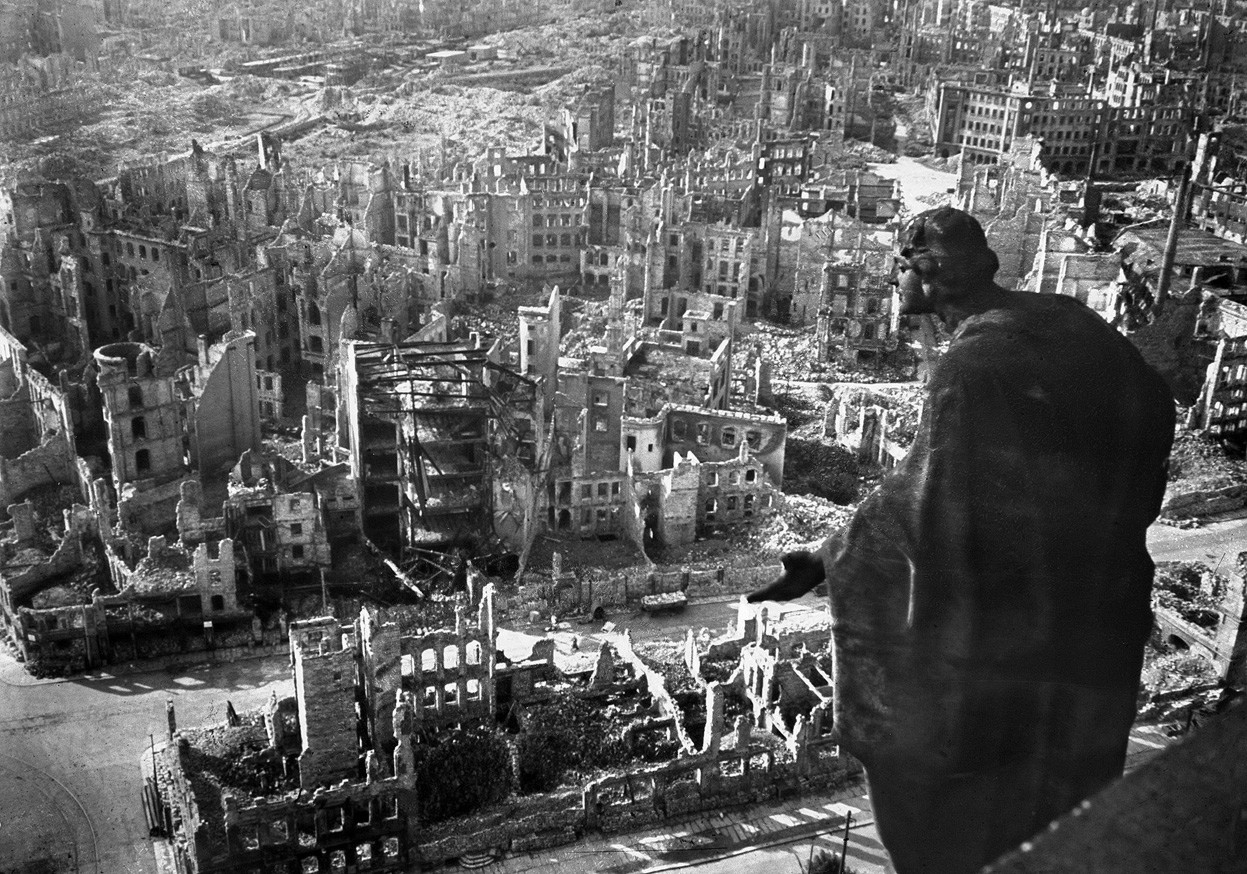
The pioneer in the air war against Germany was the RAF. The RAF experimented briefly in 1940 with daylight attacks on industrial targets in Germany but abandoned the effort when losses proved unbearably heavy. Thereafter, it attempted to find and attack such targets as oil, aluminum and aircraft plants at night. This effort too was abandoned; with available techniques it was not possible to locate the targets often enough. Then the RAF began its famous raids on German urban and industrial centers. On the night of May 30, 1942, it mounted its first "thousand plane" raid against Cologne and two nights later struck Essen with almost equal force. On three nights in late July and early August 1943 it struck Hamburg in perhaps the most devastating single city attack of the war -- about one third of the houses of the city were destroyed and German estimates show 60,000 to 100,000 people killed. No subsequent city raid shook Germany as did that on Hamburg; documents show that German officials were thoroughly alarmed and there is some indication from interrogation of high officials that Hitler himself thought that further attacks of similar weight might force Germany out of the war. The RAF proceeded to destroy one major urban center after another. Except in the extreme eastern part of the Reich, there is no major city that does not bear the mark of these attacks. However, no subsequent attack had the shock effect of the Hamburg raid.
"I reported for the first time orally to the Fuehrer that if these aerial attacks continued, a rapid end of the war might be the consequence."
Speer to Survey Interrogators on the Hamburg attacks.
In the latter half of 1944, aided by new navigational techniques, the RAF returned with part of its force to an attack on industrial targets. These attacks were notably successful but it is with the attacks on urban areas that the RAF is most prominently identified.
The city attacks of the RAF prior to the autumn of 1944, did not substantially affect the course of German war production. German war production as a whole continued to increase. This in itself is not conclusive, but the Survey has made detailed analysis of the course of production and trade in 10 German cities that were attacked during this
Page 4
period and has made more general analyses in others. These show that while production received a moderate setback after a raid, it recovered substantially within a relatively few weeks. As a rule the industrial plants were located around the perimeter of German cities and characteristically these were relatively undamaged.
Commencing in the autumn of 1944, the tonnage dropped on city areas, plus spill-overs from attacks on transportation and other specific targets, mounted greatly. In the course of these raids, Germany's steel industry was knocked out, its electric power industry was substantially impaired and industry generally in the areas attacked was disorganized. There were so many forces making for the collapse of production during this period, however, that it is not possible separately to assess the effect of these later area raids on war production. There is no doubt, however, that they were significant.
The Survey has made extensive studies of the reaction of the German people to the air attack and especially to city raids. These studies were carefully designed to cover a complete cross section of the German people in western and southern Germany and to reflect with a minimum of bias their attitude and behavior during the raids. These studies show that the morale of the German people deteriorated under aerial attack. The night raids were feared far more than daylight raids. The people lost faith in the prospect of victory, in their leaders and in the promises and propaganda to which they were subjected. Most of all, they wanted the war to end. They resorted increasingly to "black radio'' listening, to circulation of rumor and fact in opposition to the Regime; and there was some increase in active political dissidence -- in 1944 one German in every thousand was arrested for a political offense. If they had been at liberty to vote themselves out of the war, they would have done so well before the final surrender. In a determined police state, however, there is a wide difference between dissatisfaction and expressed opposition. Although examination of official records and those of individual plants shows that absenteeism increased and productivity diminished somewhat in the late stages of the war, by and large workers continued to work. However dissatisfied they were with the war, the German people lacked either the will or the means to make their dissatisfaction evident.
The city area raids have left their mark on the German people as well as on their cities. Far more than any other military action that preceded the actual occupation of Germany itself, these attacks left the German people with a solid lesson in the disadvantages of war. It was a terrible lesson; conceivably that lesson, both in Germany and abroad, could be the most lasting single effect of the air war.